
Immunotherapy
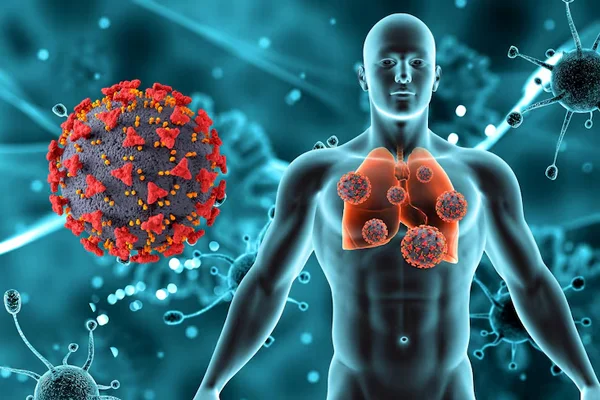
Immunotherapy
Immunotherapy is an advanced approach to cancer treatment that helps the body's immune system recognize and fight cancer cells. It is used for selected cancers and may be recommended alone or in combination with chemotherapy, targeted therapy, or other treatments, depending on the cancer type and stage.
Patients looking for Immunotherapy in Faridabad should consult a qualified medical oncology specialist to understand whether this treatment is suitable for their diagnosis. Treatment decisions depend on several factors, including the type of cancer, previous treatments, general health, and specific laboratory or molecular test results.
Dr. Ashish B. Agrawal is a Medical Oncologist, Haematologist, and Bone Marrow Transplant (BMT) specialist. His clinical expertise includes cancer management and modern treatment approaches. A specialist consultation can help patients understand available immunotherapy options, expected benefits, potential side effects, and the monitoring required during treatment.
What Is Cancer Immunotherapy?
Cancer immunotherapy uses medicines or other approaches to help the immune system identify and attack cancer cells. Cancer cells can sometimes avoid immune detection or suppress the body's natural immune response. Certain immunotherapy medicines help overcome these mechanisms.
Unlike treatments that directly target rapidly dividing cells, some immunotherapies work by changing how the immune system responds to cancer. Their effectiveness varies depending on the cancer type, the medicine used, and individual biological factors.
Immunotherapy is not suitable for every cancer or every patient. An oncologist evaluates the diagnosis and relevant test results before recommending this treatment.
Types of Cancer Immunotherapy
1. Immune Checkpoint Inhibitors
Immune checkpoint inhibitors block specific proteins that cancer cells may use to reduce immune activity. This can help immune cells recognize and attack cancer cells more effectively.
These medicines are used for selected cancers, including certain lung cancers, melanoma, kidney cancers, bladder cancers, and other malignancies. Their suitability depends on the cancer type, disease stage, treatment history, and sometimes biomarker results.
2. Monoclonal Antibodies
Monoclonal antibodies are laboratory-produced proteins designed to recognize specific targets on cancer cells or immune cells. Some directly interfere with cancer growth, while others help the immune system attack malignant cells.
They may be used for selected blood cancers and solid tumours. The medicine is chosen according to the cancer's characteristics and approved treatment indications.
3. CAR T-Cell Therapy
Chimeric antigen receptor (CAR) T-cell therapy is a specialised treatment in which a patient's T cells are modified to recognize specific cancer targets. It is used for selected blood cancers in appropriate clinical settings.
CAR T-cell therapy requires specialist assessment and access to a suitably equipped treatment centre. It is not routinely appropriate for all cancers and can cause serious side effects that require close monitoring.
4. Cancer Vaccines and Other Immune-Based Approaches
Some cancer vaccines and other immune-based treatments are designed to stimulate or direct an immune response against cancer. Their use depends on the specific cancer, the treatment's availability, and the relevant clinical indication.
Not all vaccines are cancer treatments; preventive vaccines that reduce the risk of certain infections are different from therapeutic cancer immunotherapies.
5. Combination Immunotherapy
In selected situations, immunotherapy may be combined with another immunotherapy medicine, chemotherapy, targeted therapy, or radiation therapy. Combination treatment may improve outcomes for some patients, but it can also increase the risk of side effects.
The oncologist determines whether a combination is appropriate based on clinical evidence, the patient's condition, and the treatment goals.
Which Cancers May Be Treated With Immunotherapy?
Immunotherapy may be used for certain types of cancer, depending on the disease stage, subtype, biomarkers, and treatment history.
Examples include:
- Lung cancer: Selected non-small cell and small cell lung cancer treatment settings
- Breast cancer: Certain cases, including some triple-negative breast cancers
- Head and neck cancers: Selected cases of recurrent or metastatic disease
- Gastrointestinal cancers: Certain stomach, oesophageal, colorectal, and other cancers
- Kidney cancer: Selected renal cell carcinoma cases
- Bladder cancer: Certain urothelial cancers
- Melanoma: Selected cases of this type of skin cancer
- Lymphoma: Specific lymphoma types and treatment settings
- Other solid tumours: Some cancers with particular biomarkers or molecular features
This list is not exhaustive. Immunotherapy recommendations vary by cancer subtype, stage, biomarker status, previous treatment, and current clinical guidelines.
Who May Be Eligible for Immunotherapy?
Immunotherapy eligibility is determined individually. A patient may be considered for immunotherapy when it is an established option for their cancer or when testing identifies features associated with potential benefit.
The oncologist may review:
- The confirmed cancer diagnosis and stage
- Histopathology and biopsy reports
- Biomarker or molecular test results, where relevant
- Previous treatments and response to therapy
- Kidney, liver, and other organ function
- Existing autoimmune conditions
- Current medicines and other medical conditions
- The potential benefits, risks, and alternatives
Some patients with autoimmune diseases, organ transplants, or certain other medical conditions may have additional risks. These factors do not always automatically rule out immunotherapy, but they require careful specialist evaluation.
Diagnostic Tests Before Immunotherapy
Before starting treatment, the oncology team reviews the available diagnostic information and recommends additional tests when needed.
1. Biopsy and Histopathology
A biopsy helps confirm the cancer type and provides information about the tumour's characteristics. This information is important for selecting an appropriate treatment strategy.
2. Biomarker Testing
Some immunotherapies are more likely to benefit patients whose tumours have specific biomarkers. Depending on the cancer, testing may include PD-L1 expression, mismatch repair deficiency (dMMR), microsatellite instability (MSI-H), or other relevant markers.
Not every patient needs every test. The required tests depend on the cancer diagnosis and the treatment being considered.
3. Imaging Investigations
CT scans, MRI, PET-CT, or other imaging tests may be used to determine the extent of disease and establish a baseline for monitoring treatment response.
4. Blood Tests and Organ Function Assessment
Blood tests can help evaluate general health and organ function before treatment. Additional tests may be needed according to the selected medicine and the patient's medical history.
5. Review of Medical History
The specialist reviews previous treatments, autoimmune conditions, organ transplants, ongoing medicines, and other factors that could affect treatment safety.
Benefits of Immunotherapy
For appropriately selected patients, immunotherapy may offer several potential benefits:
- It can help the immune system recognize and attack cancer cells.
- Some patients experience durable treatment responses.
- Certain immunotherapies can be used with other cancer treatments.
- Treatment may be available for specific cancers that have progressed after previous therapies.
- Biomarker testing can help identify patients who may benefit from particular medicines.
However, immunotherapy does not work for every patient. Some cancers do not respond, and others may initially respond and later progress. The potential benefits should be discussed alongside treatment risks and alternatives.
Possible Side Effects of Immunotherapy
Immunotherapy can cause side effects. Some occur during treatment, while others may develop weeks or months later, including after treatment has stopped.
Because certain immunotherapies activate the immune system, they can sometimes cause inflammation in healthy organs. Possible side effects include:
- Skin rash or itching
- Diarrhoea or inflammation of the bowel
- Cough or shortness of breath due to lung inflammation
- Inflammation of the liver
- Thyroid or other hormone-related problems
- Fatigue
- Joint or muscle pain
- Less commonly, serious immune-related complications affecting multiple organs
Side effects vary according to the medicine and the individual patient. Early recognition and appropriate treatment can be important in managing complications.
Seek urgent medical advice if you develop new or worsening breathlessness, severe diarrhoea, significant abdominal pain, yellowing of the skin or eyes, confusion, severe weakness, or other concerning symptoms during or after immunotherapy. Do not wait for the next scheduled appointment if symptoms are severe.
Patients should not stop or alter prescribed treatment without discussing it with their treating oncology team, unless emergency services instruct otherwise.
Immunotherapy Compared With Chemotherapy
Immunotherapy and chemotherapy work in different ways, although both may be used in cancer care.
Chemotherapy generally targets rapidly dividing cells, while immunotherapy helps the immune system recognize or attack cancer cells through specific mechanisms. Some patients receive one of these treatments, while others may benefit from a combination.
| Feature | Immunotherapy | Chemotherapy |
|---|---|---|
| How it works | Modifies or directs immune activity against cancer | Uses medicines to damage or destroy cancer cells |
| Suitability | Depends on cancer type, biomarkers, and clinical factors | Depends on cancer type, stage, and treatment plan |
| Side effects | May cause immune-related inflammation | May cause effects such as nausea, fatigue, hair loss, or low blood counts, depending on the regimen |
| Monitoring | Includes assessment for immune-related complications | Includes monitoring for treatment-related effects and blood count changes |
Neither treatment is universally better than the other. The choice depends on the diagnosis, clinical evidence, treatment goals, and individual circumstances.
Why Consult Dr. Ashish B. Agrawal for Immunotherapy Guidance?
Choosing an appropriate cancer treatment requires a detailed understanding of the diagnosis and available evidence. Dr. Ashish B. Agrawal is a Medical Oncologist, Haematologist, and BMT specialist who can help patients understand their cancer diagnosis and discuss treatment approaches relevant to their condition.
A specialist consultation about Immunotherapy in Faridabad may include:
- Reviewing biopsy reports and cancer staging
- Assessing whether biomarker testing is required
- Discussing immunotherapy and other suitable treatment options
- Explaining possible benefits, risks, and side effects
- Planning monitoring and follow-up
- Coordinating supportive care when needed
Treatment recommendations are made according to the patient's individual clinical findings. Contact the hospital directly to confirm the doctor's current consultation location and appointment availability.
Importance of Monitoring During Immunotherapy
Regular follow-up is an important part of immunotherapy. The oncology team may monitor symptoms, physical examination findings, blood tests, and imaging results to assess how the cancer is responding and whether treatment is causing side effects.
Patients should report new symptoms promptly, even if they seem unrelated to cancer. Some immune-related side effects can affect organs such as the thyroid, liver, lungs, or bowel and may require early assessment.
Patients should also tell their healthcare team about new medicines, supplements, or treatments prescribed by other clinicians.
When Should You Consult an Oncologist About Immunotherapy?
You may wish to discuss immunotherapy with an oncology specialist if:
- You have recently received a cancer diagnosis.
- Your biopsy or biomarker report mentions a potential immunotherapy option.
- Your current treatment has not controlled the cancer adequately.
- Your cancer has returned after previous treatment.
- You want to understand the benefits and risks of immunotherapy.
- You are considering a second opinion about your treatment plan.
Immunotherapy should be considered within a complete cancer care plan rather than as a universal replacement for surgery, chemotherapy, radiation, targeted therapy, or other appropriate treatments.
Immunotherapy in Faridabad: Individualised Cancer Care
Immunotherapy has become an important treatment option for selected cancers. Its suitability depends on the cancer type, stage, biomarker findings, previous treatments, and the patient's overall health. A careful evaluation helps determine whether immunotherapy, another treatment, or a combination approach is appropriate.
If you are looking for Immunotherapy in Faridabad, consult a qualified medical oncology specialist to discuss your diagnosis, treatment options, and monitoring requirements. Bring your biopsy report, imaging results, pathology or biomarker reports, medication list, and details of previous treatment to your appointment.
Contact the hospital or clinic directly to confirm Dr. Ashish B. Agrawal's current consultation details and availability.
Frequently Asked Questions (FAQs)
1. What is immunotherapy for cancer?
Immunotherapy is a cancer treatment that helps the immune system recognise or attack cancer cells. Different types of immunotherapy work through different mechanisms and are used for selected cancers.
2. Which cancers can be treated with immunotherapy?
Immunotherapy may be used for certain lung, breast, head and neck, gastrointestinal, kidney, bladder, skin, and blood cancers. Eligibility depends on the cancer subtype, stage, biomarkers, and other clinical factors.
3. Is immunotherapy suitable for every cancer patient?
No. Immunotherapy is not appropriate for every patient. The oncologist considers the diagnosis, relevant test results, medical history, other conditions, and available treatment options before recommending it.
4. What tests are required before immunotherapy?
Depending on the cancer, tests may include biopsy and histopathology, biomarker testing, imaging, blood tests, and organ function assessment. The required investigations vary from patient to patient.
5. What are the common side effects of immunotherapy?
Possible side effects include fatigue, rash, itching, diarrhoea, hormone-related problems, and inflammation affecting organs such as the lungs or liver. Some complications can be serious, so new symptoms should be reported promptly.
6. Is immunotherapy better than chemotherapy?
Neither treatment is universally better. Immunotherapy may be beneficial for selected cancers, while chemotherapy remains important for many cancer types. Some patients receive both, depending on the diagnosis and treatment plan.
7. How long does immunotherapy treatment take?
Treatment duration varies according to the medicine, cancer type, response, side effects, and treatment protocol. The oncologist will explain the expected schedule and monitoring plan.
8. How can I find immunotherapy in Faridabad?
Consult a qualified medical oncology specialist to review your diagnosis, reports, and treatment options. Contact the hospital directly to confirm consultation availability, location, and appointment procedures.


