
Head and Neck Cancer
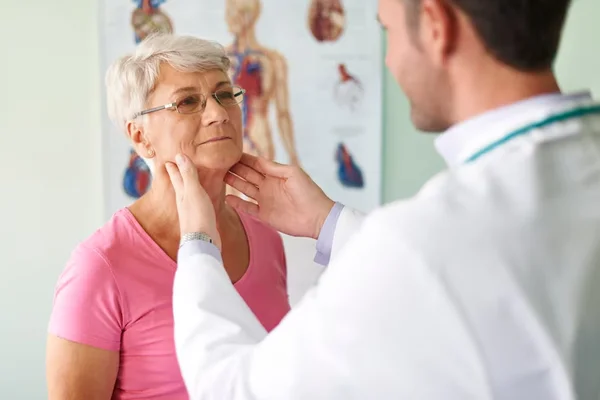
Head and Neck Cancer
Head and neck cancer refers to a group of cancers that develop in areas such as the mouth, tongue, throat, tonsils, voice box, nasal cavity and salivary glands. Early diagnosis and appropriate treatment are important for controlling the disease and preserving essential functions such as speaking, swallowing and breathing.
If you are searching for Head and Neck Cancer Treatment in Faridabad, consulting an experienced medical oncologist can help you understand your diagnosis and available treatment options.
Dr. Ashish B. Agrawal is a Medical Oncologist, Haematologist and BMT specialist with experience in managing different types of cancer. His approach focuses on evidence-based treatment planning, individual patient needs and coordination with other specialists when required.
Treatment may involve surgery, radiation therapy, chemotherapy, targeted therapy or immunotherapy, depending on the cancer's location, stage and specific characteristics.
What Is Head and Neck Cancer?
Head and neck cancer develops when abnormal cells grow uncontrollably in tissues of the head and neck. Many of these cancers begin in the squamous cells lining the mouth, throat and voice box. Other types may originate in the salivary glands, thyroid or other structures.
Common risk factors include tobacco use, smoking, excessive alcohol consumption and certain infections, including human papillomavirus (HPV) in some oropharyngeal cancers.
Understanding the cancer's location and stage helps doctors select an appropriate treatment plan. Patients seeking Head and Neck Cancer Treatment in Faridabad should receive a thorough medical evaluation to determine the nature and extent of the disease.
Common Symptoms of Head and Neck Cancer
Symptoms vary depending on the affected area. Some signs may also occur due to non-cancerous conditions, but persistent or unexplained symptoms should be evaluated by a healthcare professional.
Common symptoms include:
- A persistent mouth ulcer that does not heal
- A lump or swelling in the neck
- Persistent sore throat
- Difficulty or pain while swallowing
- Changes in the voice or persistent hoarseness
- Unexplained bleeding from the mouth or nose
- Persistent nasal blockage, particularly on one side
- A red or white patch inside the mouth
- Unexplained ear pain
- Difficulty opening the mouth or moving the jaw
Early assessment can help identify the cause of these symptoms and determine whether further investigations are needed.
Types of Head and Neck Cancer
1. Oral Cancer
Oral cancer affects structures such as the lips, tongue, gums, inner cheeks and floor of the mouth. Treatment depends on the tumour's location, stage and other clinical factors.
2. Throat Cancer
Throat cancers may develop in the pharynx, including the oropharynx and hypopharynx. Management depends on the precise site, stage and relevant factors such as HPV status in selected cancers.
3. Laryngeal Cancer
Laryngeal cancer affects the voice box and may cause persistent hoarseness, swallowing difficulties or breathing problems. Treatment planning considers disease control as well as preservation of voice and swallowing function whenever possible.
4. Nasal Cavity and Paranasal Sinus Cancer
These cancers develop in the nasal passages or surrounding sinus spaces. Symptoms may include persistent nasal obstruction, bleeding or facial discomfort and require specialist evaluation.
5. Salivary Gland Cancer
Salivary gland cancers affect glands that produce saliva. Diagnosis and treatment depend on the gland involved, the tumour type and the extent of the disease.
6. Oropharyngeal Cancer
Oropharyngeal cancer develops in areas such as the tonsils and base of the tongue. Some cases are associated with HPV infection, which can influence evaluation and treatment planning.
Diagnosis of Head and Neck Cancer
Accurate diagnosis helps determine the cancer type, stage and most appropriate treatment approach. Depending on the patient's symptoms and examination findings, investigations may include:
- Clinical examination: Assessment of the mouth, throat, neck and other affected areas.
- Endoscopy: Examination of internal structures using a specialised instrument when indicated.
- Imaging tests: CT, MRI or PET-CT scans may be used to assess the tumour and possible spread.
- Biopsy: Collection of a tissue sample to confirm the diagnosis.
- HPV testing: Recommended for selected oropharyngeal cancers.
- Additional laboratory investigations: Tests selected according to the patient's condition and planned treatment.
Not every patient needs every test. The diagnostic plan is individualised according to the suspected cancer and clinical findings.
Head and Neck Cancer Treatment Options in Faridabad
Treatment depends on the cancer's location, stage, pathology, overall health and treatment goals. Patients seeking Head and Neck Cancer Treatment in Faridabad may require one treatment or a combination of therapies.
1. Chemotherapy
Chemotherapy uses medicines to destroy cancer cells or slow their growth. It may be recommended alongside radiation therapy, before other treatments or for advanced disease, depending on the cancer type and clinical situation.
The medicines and treatment schedule are selected according to the diagnosis, treatment goals and the patient's ability to tolerate therapy.
2. Radiation Therapy
Radiation therapy uses high-energy radiation to damage cancer cells. It may be used as a primary treatment for certain head and neck cancers, after surgery or alongside chemotherapy.
The treatment plan is designed by the radiation oncology team based on the tumour's location, stage and surrounding structures.
3. Targeted Therapy
Targeted therapy acts on specific molecules or pathways involved in cancer growth. It may be considered in selected cases, depending on the tumour's characteristics and previous treatment.
4. Immunotherapy
Immunotherapy helps the immune system recognise and attack cancer cells. It may be an option for certain recurrent or metastatic head and neck cancers.
Suitability depends on the cancer type, disease stage, relevant biomarkers, previous therapies and overall health. Immunotherapy is not appropriate for every patient.
5. Surgery
Surgery may be recommended to remove a tumour and, when necessary, affected lymph nodes. The surgical approach depends on the tumour's location and extent. Reconstructive procedures or rehabilitation may be needed in selected cases.
6. Multidisciplinary Cancer Care
Head and neck cancer management often involves collaboration between medical oncologists, head and neck surgeons, radiation oncologists, radiologists, pathologists, dentists and speech or swallowing specialists.
A coordinated approach helps align treatment decisions with disease control, functional recovery and the patient's quality of life.
Why Choose Dr. Ashish B. Agrawal?
Selecting a suitable medical oncologist is an important part of cancer care. Dr. Ashish B. Agrawal has specialised training in Medical Oncology and General Medicine and experience in managing complex cancers.
Patients may benefit from:
- Specialised Oncology Care: Evaluation and medical management of head and neck cancers.
- Personalised Treatment Planning: Recommendations based on the cancer type, stage and individual health needs.
- Evidence-Based Treatment: Decisions informed by current medical evidence and recognised oncology guidelines.
- Advanced Treatment Options: Assessment for chemotherapy, targeted therapy and immunotherapy where appropriate.
- Multidisciplinary Coordination: Collaboration with relevant specialists for comprehensive cancer management.
- Patient Education: Clear explanations of treatment options, potential side effects and follow-up requirements.
The appropriate treatment plan and expected outcomes vary from one patient to another.
Importance of Early Diagnosis
Early evaluation of persistent symptoms may help identify head and neck cancer before it progresses. A new neck lump, a mouth ulcer that does not heal, persistent hoarseness or difficulty swallowing should not be ignored.
Avoiding tobacco and limiting alcohol consumption can help reduce the risk of several head and neck cancers. HPV vaccination can also help prevent certain HPV-related cancers.
If you are looking for Head and Neck Cancer Treatment in Faridabad, timely medical consultation can help you understand your symptoms, arrange appropriate investigations and discuss the next steps.
When Should You Consult a Medical Oncologist?
Consider consulting a medical oncologist if:
- A biopsy confirms head and neck cancer.
- Your doctor recommends chemotherapy or systemic cancer treatment.
- You need guidance about targeted therapy or immunotherapy.
- The cancer has returned or spread to other parts of the body.
- You need an expert opinion on your treatment options.
- You require coordination between different cancer specialists.
Bring your previous biopsy reports, imaging results, prescriptions and other relevant medical records to your appointment.
Conclusion
Head and neck cancer requires an individualised approach based on the tumour's location, stage and biological characteristics. Appropriate treatment may involve surgery, radiation therapy, chemotherapy, targeted therapy or immunotherapy.
Dr. Ashish B. Agrawal provides specialised medical oncology care for patients with different types of cancer. If you are considering Head and Neck Cancer Treatment in Faridabad, a consultation can help you understand your diagnosis, discuss appropriate treatment options and plan the next stage of care.
Frequently Asked Questions
1. Who provides head and neck cancer treatment in Faridabad?
Dr. Ashish B. Agrawal is a Medical Oncologist with experience in managing various cancers. Contact his current hospital or clinic to confirm consultation availability and treatment services.
2. What are the early symptoms of head and neck cancer?
Early symptoms may include a persistent mouth ulcer, a lump in the neck, a sore throat, difficulty swallowing, unexplained bleeding or persistent voice changes. These symptoms can have other causes, so medical evaluation is important.
3. What treatments are available for head and neck cancer?
Treatment may include surgery, radiation therapy, chemotherapy, targeted therapy or immunotherapy. The choice depends on the cancer's location, stage, pathology and the patient's overall health.
4. Can head and neck cancer be treated without surgery?
Yes, some head and neck cancers can be treated without surgery, using radiation therapy, chemotherapy or a combination of treatments. The most appropriate approach depends on the specific cancer and its stage.
5. Is immunotherapy effective for head and neck cancer?
Immunotherapy can help selected patients, particularly those with certain recurrent or metastatic cancers. Its suitability depends on clinical factors, previous treatments and relevant biomarkers.
6. When should I consult a head and neck cancer specialist?
Seek medical evaluation for persistent mouth ulcers, unexplained neck lumps, ongoing hoarseness or difficulty swallowing. If cancer is diagnosed, a medical oncologist can explain the available treatment options.
7. How can I book an appointment for head and neck cancer treatment in Faridabad?
Contact Dr. Ashish B. Agrawal's current hospital or clinic to confirm appointment timings and availability. Carry your biopsy report, scans and previous medical records for review.


